You are currently browsing the category archive for the ‘Major Arcana’ category.
This is an adaptation of an article I wrote quite a few years ago while in the midst of my studies of alchemy in the Crowley-Harris Thoth deck.
Aleister Crowley wrote little directly about alchemy, but his Thoth deck is full of alchemical symbolism. Alchemy is the transformation of base matter into gold, whether physically in the outer world or psychically in the inner. The transformation process consists of a series of stages (described variously as three or seven or twelve or more) that are often depicted through word-less picture books known as mutus liber in which the ideas are hidden within the image.
Crowley taught that magick is “the science and art of causing change to occur in conformity with will.” In Magick in Theory and Practice (hereafter, Magick) he declares that alchemical transformation is a branch of magick. Furthermore, the “Great Work” of alchemy is the culmination of all magick. It is “the attainment of the Summum Bonum, true Wisdom and perfect Happiness.” Crowley continues, “The Alchemist is to take a dead thing, impure, valueless, and powerless, and transform it into a live thing, active, invaluable and thaumaturgic [able to work wonders] . . . to bring each substance to the perfection of its own proper nature.” Crowley compares alchemy to initiation, for both works isolate the product from its accretions, returning it to the essence of its own nature. In the aspirant to initiation these “accretions” are “the complexes which have corrupted” the aspirant and must be purified.
As Crowley further explains in Magick, all the Major Arcana (Crowley’s “Atu”) are alchemical. The Fool begins the Great Work (“the first matter is a man . . . a perishable parasite”) and the Universe card ends it, being a glyph of its completion (“the pure and perfect Individual originally inherent in the substance chosen”). Crowley does not specify the alchemical action taking place in each Atu, giving only vague hints. The Priestess, Empress and Emperor are philosophic mercury, salt and sulphur, respectively, and are “modes of action [rather] than actual qualities . . . the apparatus of communication between the planes.” Strength is “distillation, operated by internal ferment, and the influence of the sun and moon.” In the Hermit, the philosophic or Orphic Egg is fertilized (this being a solitary act in which the energy raised goes into the Great Work). Death is putrefaction, “the series of chemical changes which develops the final form of life from the original latent seed in the Orphic egg.” Thus, the middle cards depict the breaking up of these accretions or “coagulations of impurity.” As the First Matter blackens and putrefies, along with the aspirant’s agonized reluctance to their elimination, he plunges into “such ordeals that he seems to turn from a noble and upright man into an unutterable scoundrel.”
XIV. Art/Temperance
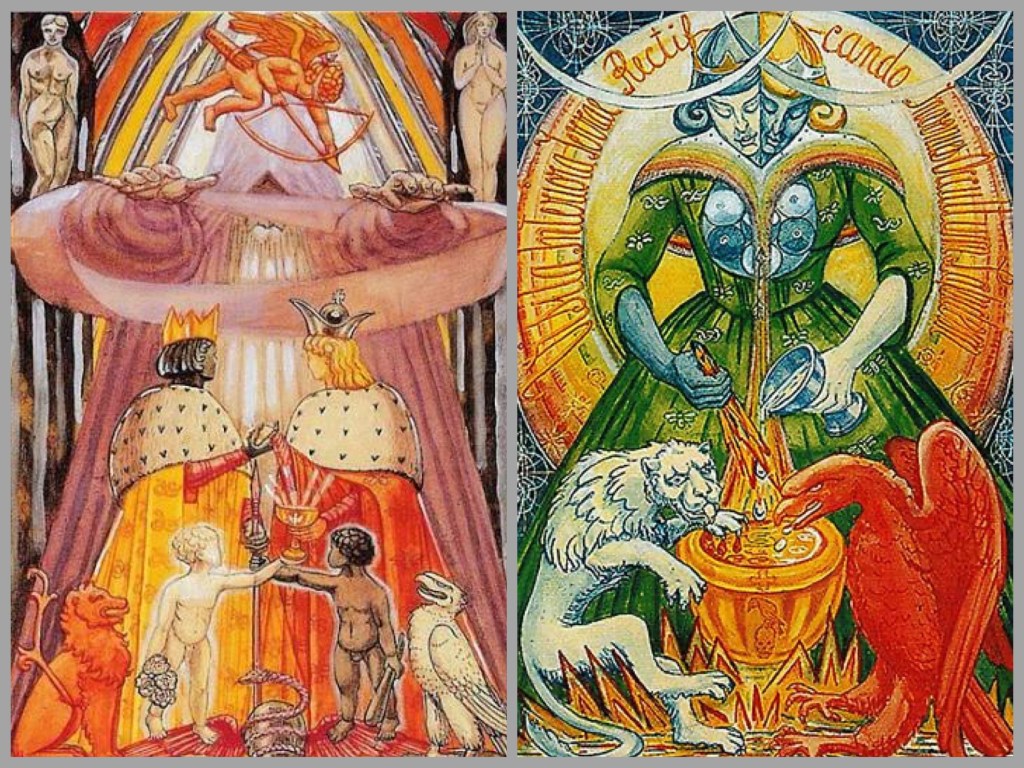
For this article we will examine the most overtly alchemical card of the Thoth deck. Following the Death card we arrive at Temperance, which Crowley renames ART, signifying what is called the “alchemical art,” to tell us that this is where the most active and defining alchemical act takes place—“the mingling of the contradictory elements in a cauldron.” As we saw earlier, Crowley defined magick as “ the science and art of causing change to occur in conformity with will.” The ART card portrays the art of change, the synthesis or the creative process through which something new emerges that is far more than the sum of its parts.
The stage of the great Work shown in the ART card consists of the mingling of all the elements in the cauldron, so that all contraries are united.
Art, the Lovers and the Egg
The whole of ART is the hidden content of the Egg seen in the earlier Lovers and Hermit cards, which in ART appears as the egg opened into the pearlescent oval behind the Alchemist. Art is the content of the Egg fulfilled. In a modern, post-Crowleyan world (since 1951), this card depicts the moment when the separate DNA strands, carried in the sperm of the father and the egg of the mother, fuse into new DNA (an “assimilation of its equal and opposite”). Art is the solution to the problem introduced in the Lovers where the Two strive to become One. Together these two cards move from analysis and choice in the Lovers to synthesis and transformation in Art. This coming together of the two to create the One can be seen in the cells multiplying in the blue background of the card.
The Red Lion found in the Lovers card appears again, but drained of its last drops of blood, becoming white, and the former White Eagle of the Lovers is now in full menstrual flood. Water from a silver cup joins with a fiery brand and with animal secretions in a golden cauldron. On the lip of the cauldron is a cross, showing that the mixing has occurred, while at the bottom of the cauldron we see a raven on a skull, the caput mortuum or “dead-head” putrified dross that has separated from the elixir. Crowley reminds us that this is also fallow earth.
The Alchemical Child
Crowley tells us that the figure in the Art card is an hermaphrodite, whose name is literally Hermes-Aphrodite (or Mercury-Venus). Here we see a two-headed being whose faces and arms have counterchanged in color since the Lovers. Grillot De Givry in A Pictorial Anthology of Witchcraft, Magic and Alchemy quotes Nicolas Flamel:
“In the second operation thou hast two conjoined and married natures, the masculine and feminine, and they are fashioned in one sole body, which is the androgyne of the ancients, formerly called likewise the raven’s head or element transformed.”
The alchemical child has assimilated the opposites of its parents, and, as is said in The Emerald Tablet it is an admixture of the four elements: “The Sun is its Father, the Moon its Mother, the Wind carries it in its belly; its nurse is the Earth.”
The Emperor and Empress along with the Brothers (Crowley’s alternate name for the Lovers or Gemini card) are here united into a single entity, wearing a robe decorated with the snake of the Emperor and bee of the Empress and in the color green of new vegetable growth. For Crowley this signifies that the first problem of alchemy, which was to raise mineral to vegetable life, has been achieved. The Alchemist is now at work on perfecting the next stage—the animal life. The green can be likened to the vigor viriditas or green energy of Hildegard of Bingen and the “force that through the green fuse drives the flower” of Dylan Thomas’ alchemical poem of opposites (that could have been written with this card in mind).
The Archer
Astrologically, ART is Sagittarius (the Archer) and the zodiacal opposite of the LOVERS Gemini (the Brothers), “and therefore, ‘after another manner,’ one with it,” since both cards feature archers. The arrow of Sagittarius represents creative aspiration.
In “The Fifth Aethyr” of Crowley’s The Vision and the Voice we are told that the arrow’s feathers are Ma’at (divine truth) and “the arrow persists for it is the direction of Energy, the Will [Thelema] that createth all Becoming.” In the Hebrew Kabbalah as applied to the tarot where each Atu corresponds to a Hebrew letter, Sagittarius/ART is on the middle pillar of the Tree of Life, connecting the Sun of Tiphareth to the Moon of Yesod (“the sphere which formulates Existence”)—Sol et Luna! The arrow, pointed up, aspires to Tiphareth, habitation of the Holy Guardian Angel.
The Rainbow
The arrow pierces a rainbow called Qesheth in Hebrew (the bow that propels the arrow), for the Hebrew letters Qoph, Shin and Tav that make up the word are the three paths connecting Malkuth (Foundation) to the Tree above it. Crowley points out that alchemically, “at a certain period, as a result of putrefaction, there is observed a phenomenon of many-coloured lights, the ‘coat of many colours’ said to have been worn by Joseph and Jesus, in the ancient legends.” Thus a rainbow, coloring everything we see, separates the heavenly bodies in the Tree above from the physical plane of Malkuth below. It is called the Cauda pavonis or Peacock’s Tail and is, alchemically speaking, a kind of iridescent shimmer that forms on top of the solution at this stage.
In “Absinthe: The Green Goddess,” Crowley talks a little more about this:
“Originally in the . . . legend of the Hebrews, the rainbow is mentioned as a sign of salvation. The world has been purified by water, and was ready for the revelation of Wine. God would never again destroy His work, but ultimately seal its perfection by a baptism of fire. Now, in this analogue also falls the coat of many colors which was made for Joseph, a legend which was regarded as so important that it was subsequently borrowed for the romance of Jesus. The veil of the Temple, too, was of many colors. . . . In western Mysticism, . . . the middle grade initiation is called Hodos Camelioniis, the Path of the Chameleon. There is here evidently an allusion to this same mystery. We also learn that the middle stage in Alchemy is when the liquor becomes opalescent. Finally, we note among the visions of the Saints one called the Universal Peacock, in which the totality is perceived thus royally appareled.”
The Arrows
Crowley explains in Magick that the arrow is “Temperance in the Taro [sic]; it is a life equally balanced and direct which makes our work possible; yet this life itself must be sacrificed!” In a footnote Crowley adds, “Note that there are two arrows: the Divine shot downward, the human upward. The former is the Oil, the latter the Incense, or rather the finest part of it.” In the Art card, like incense, the rainbow forms an airy cloud ascending from the cauldron and its combined fire and water, blood and gluten, sperm and menstrual blood. This iridescent shimmery incense rises with the arrow as the aspiration of the human spirit toward the Divine. At the very bottom of the card flames shoot up out of what looks like water but may represent the oil or chrism with which the Divine blesses the world below.
Crowley equates the Alchemist with the many breasted moon-goddess Artemis, also known as Diana the Huntress with her rainbow bow. In fact, the Alchemist has integrated not only the King and Queen but also the Brothers and Eros into an insignia of life-force energy. The multiple breasts symbolize Diana at Ephesus. However, if they are considered as six circles (one unseen) tangential to a central seventh, then it points to ART as the culmination of the second of three rows of seven cards in which the Trumps are often presented. As five circles, alternating dark and light plus a central circle of both dark and light, it represents the Alchemist having integrated the all the opposites within itself.
V.I.T.R.I.O.L.
When alchemical mercury, salt and sulphur perfectly combine they form what is called the “universal solvent,” Vitriol. V.I.T.R.I.O.L. is an acronym standing for the Latin phrase on the Art card, written along the inside edge of the egg: “Visita Interiora Terrae Rectificando Invenies Occultum Lapidem,” which translates as “Visit the interior of the earth; by rectification you shall find the hidden stone.” The “hidden stone” is the universal medicine or panacea. In Magick, Crowley explained that “the Universal Medicine will be a menstruum of such subtlety as to be able to penetrate all matter and transmute it in the sense of its own tendency, while of such impartial purity as to accept perfectly the impression of the Will of the Alchemist.”
Rectification means both “repeated distillation” but also “the means to finding a straight line that is equal in length to a curved [or crooked] line (the shaft of the arrow).” Crowley says, “it implies the right leading of the new living substance in the path of the True Will.” It is apparent that ART, being on the middle pillar, is the straight line to the Divine.
In alchemical psychology V.I.T.R.I.O.L. implies that we must re-enter the Mother’s body (or egg) from whence we came. That is, we must descend to the deepest cave of the unconscious and the most material world of the next Tarot card, the Devil (the Jungian “Shadow”), in order to put everything we discover about ourselves through the alchemical solve et coagula process. In this way we make straight whatever has become crooked within us. The seven letters also represent the seven planets and their metals, which represent those specific energies and emotions within the self that need to be freed from the “dross” so that they can function according to their true nature.
Divine Tantric Instruction
In Crowley’s appendix to the Book of Thoth, called the “General Characteristics of the Trumps” (also in “The Heart of the Master”) this verse describes the ART card:
Pour thine all freely from the Vase in thy right
hand, and lose no drop. Hath not thy left hand a vase?
Transmute all wholly into the Image of thy will,
Bringing each to its true token of Perfection.
Dissolve the Pearl in the Wine-cup; drink, and
Make manifest the Virtue of that Pearl.
First of all, this is a sexual or tantric instruction. It requires etherealizing the energies raised in the sexual act, followed by the focus of this energy on an “image of thy will.” Secondly, Cleopatra, in the name of health, drinks a pearl dissolved in wine to show how easily she absorbs the worth of a whole province, while Shakespeare has Hamlet’s father (calling the pearl a Union) similarly drink the value of four kingdoms. Remember, the pearl is the iridescent character of the alchemical egg, the perfection that remains once the dross has been separated out.
I believe Crowley drew for some of his imagery on Canto II of Dante’s Paradiso, in which Beatrice proposes an alchemical experiment to determine the true source of dark and light. She tells Dante that, should he do this experiment, it will “set him free.” In 148 short lines, Dante invokes Minerva (Diana), travels to the Moon with the speed of an arrow to ask whether the dark spots on the Moon are due to the sins of Cain. He describes being on the Moon as entering into a luminous cloud or an eternal pearl, as “water accepts a ray of sunlight,” and how one dimension absorbing another is as a longing for unity. In the experiment, light is thrown back by the hidden layer of lead [base matter] beneath a glass. Finally, each angelic intelligence and its diverse virtue makes a different alloy within each precious body that it quickens, and these combine within a person. This is the formative principle that produces, according to its worth, dark and bright.
Our Angel Adept
In looking for the highest level of this card it serves us now to turn to Lon Milo DuQuette’s commentary on Crowley’s “Liber Samekh” (from the Hebrew letter corresponding to this card, which means a “prop or tent support”). It is a ritual suggesting how Samekh signifies a prop or support through communion with the Holy Guardian Angel, residing in Tiphareth, to which the ART card aspires. It’s worth remembering that the Alchemist is pictured as an angel on other tarot decks. Lon Milo DuQuette explains in The Magick of Aleister Crowley:
“This then is the true aim of the Adept in this whole operation, to assimilate himself to his Angel by continual conscious communion. For his Angel is an intelligible image of his own true Will, to do which is the whole of the law of his Being. . . . His Angel is the Unity which expresses the sum of the Elements of that Self, that his normal consciousness contains alien enemies introduced by the accidents of environment, and that his Knowledge and Conversation of His Holy Guardian Angel destroys all doubts and delusions, confers all blessings, teaches all truth, and contains all delights.”
Alchemy is the means by which the “alien enemies introduced by the accidents of environment” are refined out of ourselves so that our will and that of the Holy Guardian Angel (“the sum of the Elements of that Self”) may operate in unity from the essence of one’s own true nature.
* * *
BIBLIOGRAPHY:
NOTE: Unless otherwise stated, all quotes come from Crowley’s Book of Thoth.
Akron and Hajo Banzhaf. The Crowley Tarot: The Handbook to the Cards (U.S. Games, 1995).
Anonymous. The Emerald Tablet (various versions).
Crowley, Aleister. “Absinthe: The Green Goddess” in The International (XII:2, Feb 1918).
________. The Book of Thoth: A Short Essay on the Tarot of the Egyptians Being the Equinox Volume III No. V (various editions).
________. “Fifth Aethyr,” in The Vision and the Voice (Weiser, 1999).
________. The Heart of the Master & Other Papers, edited by Hymenaeus Beta (Thelema Media, 1992).
________. Magick, edited by John Symonds and Kenneth Grant (Samuel Weiser, 1974). Otherwise published as Book 4 Part III: Magick in Theory and Practice.
Dante, Paradiso (various translations and editions).
DuQuette, Lon Milo. “Liber Samekh” in The Magick of Aleister Crowley: A Handbook of the Rituals of Thelema (Weiser, 2003).
________. Understanding Aleister Crowley’s Thoth Tarot (Weiser, 2003).
Lévi,Eliphas. The Key of the Mysteries, translated by Aleister Crowley (Weiser, 2001).
Snuffin, Michael. The Thoth Companion: The Key to the True Symbolic Meaning of the Thoth Tarot (Llewellyn, 2007).
This is about the Oedipus cycle viewed through the lens of Tarot’s Major Arcana, culminating in the realization of Oedipus’s apotheosis and a nuanced exploration of fate in classical Greek thought. I studied this cycle of three plays in 1968 in a theatre class on Greek drama during the same period when I was introduced to the Tarot. These parallels left me with a really deep realization of the archetypal power of the Collective Unconscious as embodied in the Major Arcana. This is the first time I’ve published this insight, although I’ve mentioned it often over the years.
The Oedipus Cycle: A Journey Through the Major Arcana
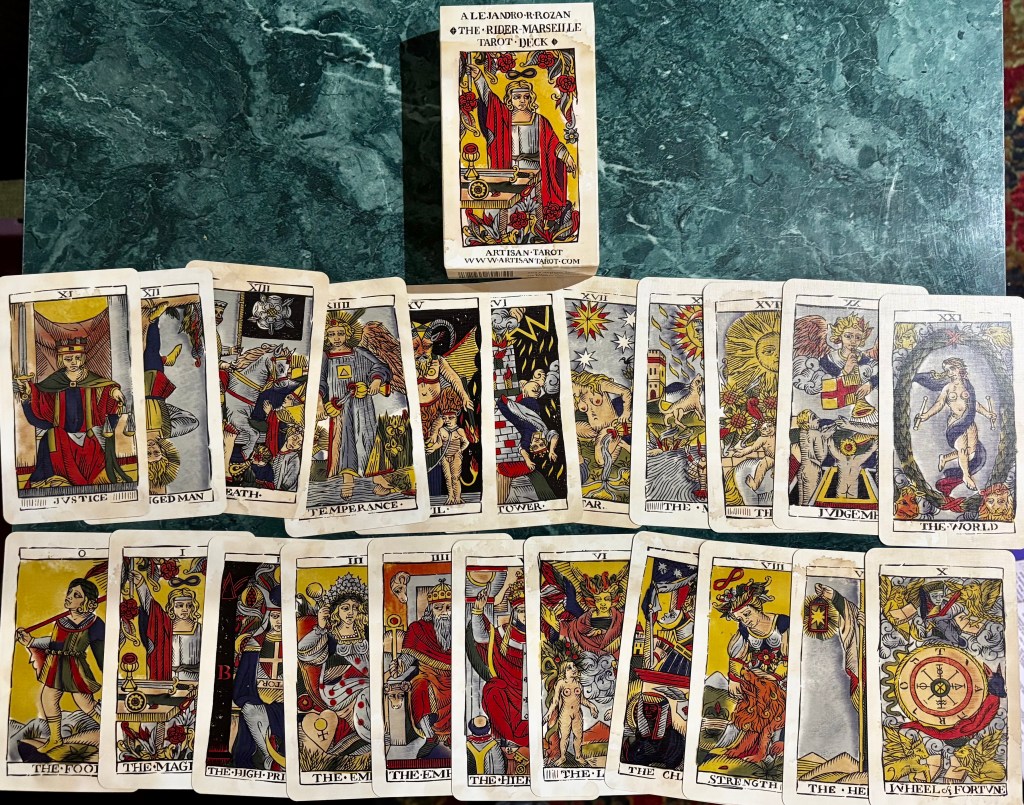
0. The Fool – Oedipus’s Departure
Oedipus, in an attempt to escape a dire prophecy, leaves Corinth, embodying the Fool’s archetype of embarking on a journey into the unknown, driven by a desire to outmaneuver fate.
Oedipus Rex
The first four cards represent Oedipus’ two sets of parents. A case could be made for which parents go with which set.
1. The Magician & 2. The High Priestess – The Dual Parentage: these cards represent Oedipus’s two divinely decreed sets of parents, a motif that appears frequently in world myths:
The Magician (Laius) & The High Priestess (Jocasta) of Thebes: his biological parents.
They are predestined to set the prophecy in motion when they abandon Oedipus to die on a mountain to avoid the Oracle of Delphi’s prophecy that he would kill his father and marry his mother. Laius, Oedipus’s biological father, represents authority and the initial attempt to defy fate by abandoning his son.
3. The Empress & 4. The Emperor: his adoptive parents.
The Empress (Merope) & The Emperor (Polybus) of Corinth provide him with a false sense of security and identity until Oedipus goes to the Oracle at Delphi, learns of the prophecy, and believes it is about his adoptive parents.
5. The Hierophant – The Oracle at Delphi
The Oracle embodies the divine messenger, delivering the prophecy that dictates Oedipus’s destiny.
6. The Lovers – The Prophecy that He would Kill his Father & Marry his Mother.
Oedipus makes the choice to leave the only parents he knows to avoid this path. The union, unbeknownst to them, as mother and son, reflects both the Lovers’ themes of choices, and the intertwining of destinies.
7. The Chariot – Oedipus at the Crossroads and his Triumph over the Sphinx
Oedipus comes to a crossroads in his chariot and finds an old man blocking his way. They fight and he kills the old man. Oedipus continues on, arriving at a distant country where he is confronted by a Sphinx who demands to know the answer to a riddle: What walks on four legs in the morning, two legs at noon, and three legs at night? The answer is, man.
8. Strength – Oedipus’ Courage and Jocasta’s Resilience
Oedipus’ correct answer defeats the Sphinx, and he is awarded the recently widowed Queen of Thebes as his wife. As the truth of who killed the former king begins to unfold, Oedipus courageously swears an oath to bring the murderer to justice. Jocasta attempts to calm Oedipus, hoping to maintain stability and suppress the emerging truths. This highlights her inner strength and determination.
9. The Hermit – Tiresias
The blind prophet represents introspection and inner wisdom, leading first through warnings and insights not to ask more, which Oedipus rejects. Oedipus faces the truth, that Tiresias has finally brought to light.
10. Wheel of Fortune – The Unfolding of Fate
The inevitable coming revelation of Oedipus’s true identity and the fulfillment of the prophecy illustrate the Wheel’s turning and the inescapable nature of destiny.
11. Justice – The Revelation
The uncovering of the truth brings about a reckoning, as Oedipus insists on uncovering the truth about his past, uphold society’s laws and promises to accept the consequences, so the cosmic order can be restored.
12. The Hanged Man – Jocasta’s Demise
Overwhelmed by the revealed truths, Jocasta takes her own life by hanging, symbolizing surrender and the suspension between life and death.
13. Death – Oedipus’s Transformation
Upon discovering his sins and Jocasta’s death, Oedipus blinds himself and undergoes a profound transformation, marking the end of his former identity.
Oedipus at Colonus
14. Temperance – Oedipus’s Exile and Acceptance
In accepting his fate, Oedipus reaches a new state of grace, shown in another prophecy that the city who possesses Oedipus’s corpse will be blessed by it. Before he dies, Oedipus attains a state of balance and acceptance, harmonizing his past actions with his newfound understanding.
15. The Devil – Creon’s Ambition
Creon, Oedipus’ uncle/brother-in-law, takes over Thebes. Through his manipulation and desire for power he reflects the Devil’s themes of bondage and materialism.
16. The Tower – Thebes’s Turmoil
The ensuing chaos and destruction in Thebes, involving the death of two of Oedipus’ sons, is seen in the Tower’s sudden upheaval and the breakdown of false structures.
Antigone
17. The Star – Antigone’s Devotion
Antigone, Oedipus’s daughter, embodies hope and unwavering faith in the gods as she seeks to honor her brother with a proper burial, adhering to divine laws and rituals over human edicts.
18. The Moon – Creon’s Deception
Creon’s deceitful actions and the ensuing confusion when Antigone is condemned to be buried alive, causes Creon’s son to kill himself, align with the Moon’s themes of illusion and uncertainty.
19. The Sun – Antigone’s Revelation
Antigone’s defiance and commitment to the laws of the gods suggests there are standards for right and wrong that are more fundamental and universal than the laws of any particular society, and will bring harmony if followed.
20. Judgment – The Aftermath
The deaths of Antigone, her fiance, Haemon, and Creon’s wife, Eurydice, serve as a divine judgment upon Creon for his refusal to honor the laws of the Gods and bury his nephew, rather than sticking to his man-made laws that deemed Polynices a traitor. Realization of the tragedy in this, especially for the Chorus (citizens of Thebes), prompts the possibility of redemption for the citizens and playgoers.
21a. The World – Tiresias’s Wisdom
Tiresias, having experienced life as both man and woman (a hermaphrodite), represents the culmination of knowledge and the unity of opposites, embodying the World card’s themes of completion and integration.
21b. The World (Apotheosis of Oedipus) – Transcendence
Oedipus at Colonus, was Sophocles last play, even though Antigone follows in the story timeline. At his death, Oedipus achieves apotheosis, transcending his mortal suffering and the constraints of fate, symbolizing a new understanding of human potential and the possibility of rising above predetermined destiny.
This narrative arc not only aligns the Oedipus myth with the Tarot’s Major Arcana but also reflects a shift in classical Greek thought—from viewing fate as an unalterable force to considering the potential for human beings to transcend their destinies through self-awareness and transformation.
Do you feel somewhat alone in your tarot practice? Want to make friends at the same level and with shared interests? Are you looking for inspiration and to up your tarot skills whether reading for yourself or others? And would you just like to have fun with tarot?
Come to one or both Omega Institute Tarot events (discount available for both) in August in beautiful Rhinebeck NY! Omega is a wellness retreat and spiritual summer camp where I have been teaching for 38 years, most of those along with the late great Rachel Pollack.
We start with a 5-day class on August 4-9, Wisdom of the Tarot (click link to go to the Omega info & sign-up page) taught this year by Mary Greer, Carolyn Cushing, and Terry Iacuzzo. It is perfect for all levels, including absolute beginners. The emphasis is on experiencing the cards, starting with an introduction to the Majors, Minors and Courts – always with an excitingly fresh perspective. While we teach the things we love most, we also have the grace, with five days, to tailor many of the processes and topics to the specific interests and needs of this group of participants. Check out this “sneak peek” YouTube video in which Benebell Wen interviewed us about who we are and what we’ll be doing, plus we look at a draw of the cards.
August 9-11 is the weekend Masters of the Tarot Conference, where top teachers, authors, podcast hosts, and deck creators, Nancy Antenucci, Jaymi Elford, Michelle Welch, and Mary Greer share their knowledge and take you on journeys into depth experiences that will transform your tarot practice and perhaps your life. Please come to our FREE Facebook live event, “Tarot Fun in the New Summer Sun” (sign-up here), which will be on Thurs., June 20th (Summer Solstice) and will give you a taste of what you can expect. Magic happens here as you’ll stretch your awareness of what tarot has to offer. While many of our participants focus on tarot as a creativity and personal insight tool, the class also presents ways you can enhance or move into reading for others.


Among the Tarot cards determined by adding the numbers in your birth date, I find most intriguing the Constellation of the Emperor, which consists of the Major Arcana cards whose numbers add up to four: the Emperor (4), Death (13 = 1+3=4), and the Fool (the un-numbered 22nd card of the Majors; 2+2=4). Many people don’t include the Fool in this set. I made the decision to do so based on teaching stories such as King Lear, The Emperor’s New Clothes, and the Sufi Nasruddhin tales that portray the strikingly rich interactions between a ruler and a fool or innocent. Looking further we find in the Greek play, Oedipus Rex a young man who, while running away from home, kills a King at a crossroads. In fairy tales it is often the youngest, most foolish son who ends up solving a problem, killing a monster, and marrying the princess to become the king.
When the power of an established ruler is subverted by madness or the situation becomes untenable by his becoming a puppet or tyrant, it is apparent that what is ruling us must die. The result may be a new king or a return to an original state of innocence: both are major themes of this Constellation.
These cards depict the principle of life force and realization of power. The constellation encompasses the poles of birth and death and the step between: of manifesting oneself on the physical plane. The Emperor is the hallmark of reason and logic. He seeks to own, build and do things that have a lasting effect. Death is the necessity to release and let go for the sake of renewal. It cuts away whatever is stagnant or no longer truly vital and alive. The Fool is the soul freed from all constraints. It is said that a new way of perceiving the world never fully takes hold until all adherents to the old way have died.
The Minor Arcana Fours
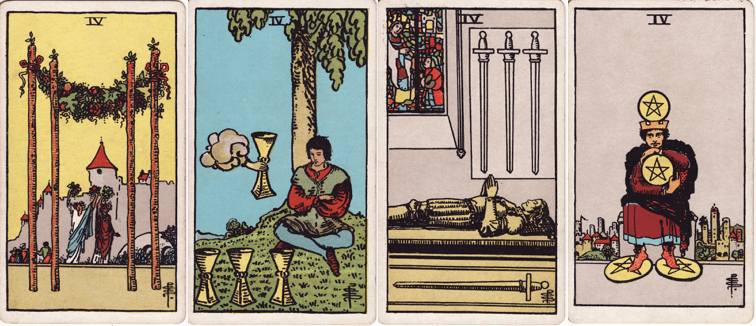
The 4 of Wands points out that community involves rites of passage for each stage/season of life. The 4 of Cups tells us we need to awaken to life’s hidden gifts to relieve stagnation. The 4 of Swords says to stay true to our dreams through stress and afflictions. And the 4 of Pentacles reminds us that true stability is about moving from our center (core, chi, hara) rather than holding fast to material things.
The Emperor/Fool/Death in Contemporary Music
A recent rap music video provides a modern perspective on this age-old theme by including the Emperor, Fool and Death in a powerful archetypal story. “Daechwita” was written, performed and produced by Min Yoongi aka Suga aka Agust D of the Kpop group BTS. It is based on a Korean historical tale that is a perfect expression of the Emperor/Fool constellation. Synchronistically the MV was released on May 22, 2020 – double 22s! Also of significance: the MV refers to Carl Jung’s theory of the Persona, Ego and Shadow, for two of BTS’s recent albums were based on Jung’s “Map of the Soul” (see the book by Murray Stein).
Furthermore, Min Yoongi, in his BTS Persona, Suga, performed a solo for the second Jung-based album, “Interlude: Shadow”, that I’ll also refer to.
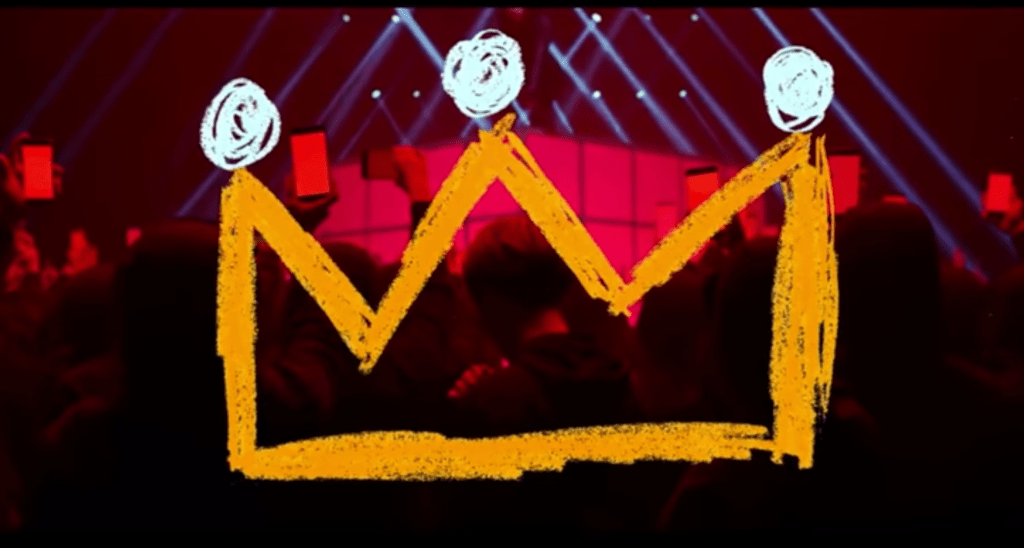
He raps, “I want to be rich, I want to be famous, I want to be the King” while also claiming, like the Fool, “My leap can be my fall,” just like the Fool who leaps from a cliff edge.
He sings, “I want to be rich, I want to be famous, I want to be the King.” While claiming, like the Fool, “My leap can be my fall.”
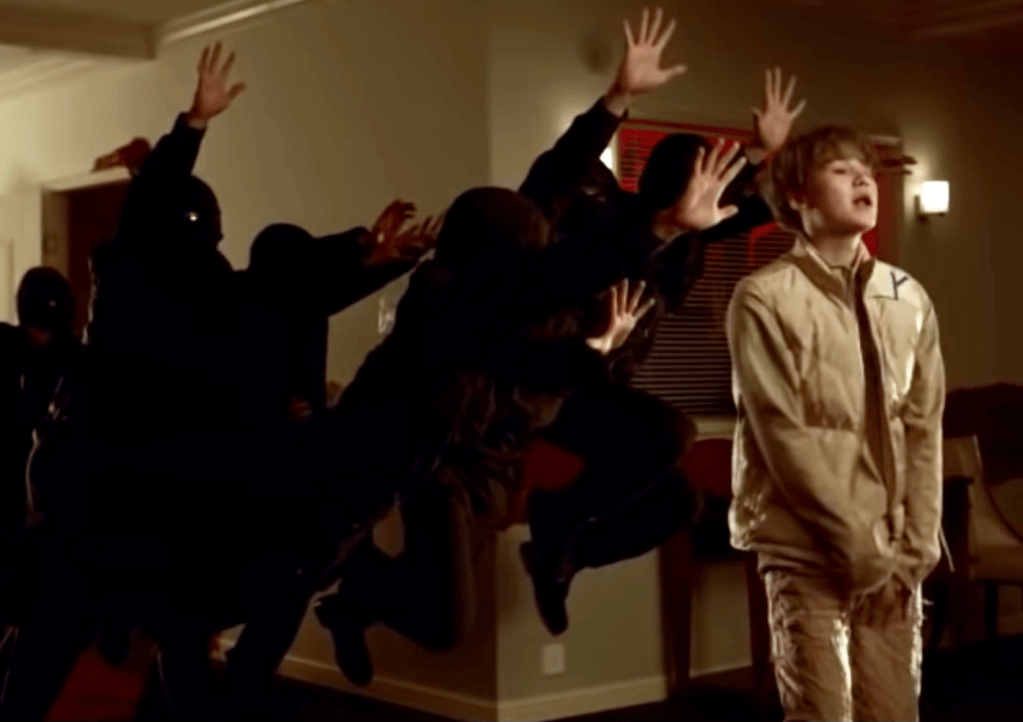
Regarding the recent explosion of BTS on the world stage, Suga explained that he aspired to reach the 12th floor [of fame] only to find himself on the 60th floor. “The moment I’m flying high as I wished, my shadow grows larger, beat down upon by that light. Please don’t let me shine. Don’t let me down. Don’t let me fly.”
The other song, Daechwita by Agust D, is a rap song and cinematic music video, written and directed by Yoongi, based on the story of King Gwanghae as portrayed in the S Korean film, Masquerade, and the 2019 TV Kdrama, The Crowned Clown (available on Netflix). Daechwita means “procession of the King” from words referring to the wind and percussion folk instruments used in royal and military parades. The music video set is one famously used in many historical dramas featuring a real palace and an historically recreated town.
In the historically-based story King Gwanghae fears assassination and so murders all his rivals ushering in a reign of terror. He searches for a body double who can take his place if needed. An exact double is found in a peasant street comedian who has been using his resemblance to make fun of the king. The king is poisoned or goes mad and, while recovering, the double takes the place of the King, “the clown with this face is playing as this country’s ruler.” This fool commits himself to be used as bait to bring out the traitors and eventually to die in place of the real king,“If a clown is picky about making his move, that’s the same thing as dying.” But he proves to be a compassionate ruler who truly cares for the people.
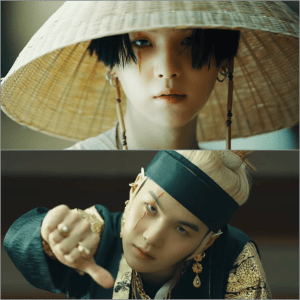
In Daechwita Agust D first appears as a dark-haired peasant or slave (a Fool) walking through the street and briefly stopping to talk with a butcher at a stall. The scene cuts to the courtyard of a palace and a white-haired tyrant (a King) who raps as he leaps on the backs of prostrate subjects. Both the fool and the king have a scar running down the right eye making it clear that Agust D is both characters. The King is killing his subjects and we see three bagged heads on display that may represent three Korean entertainment companies that kept BTS off the airwaves and mistreated them publicly. (BTS has now achieved world recognition greater than any prior Asian celebrities.) But where does that leave the pure, innocent and very idealistic underground rapper who headed off to Seoul (Soul) to follow his dream of making his mark in music in the face of the overwhelming odds against him?
As we look further we see that a Jungian interpretation helps to elucidate the Birth Card constellation. It portrays the inner battle among the various parts of oneself. The Fool is Agust D’s innocent yet rebellious Self, while the King, who was meant to be a public Persona of rulership and success, becomes a Shadow-self who descends into madness.
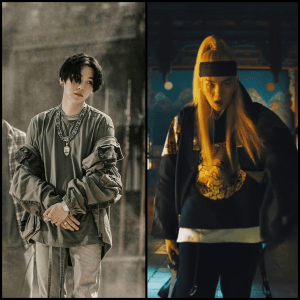
As the King becomes a dangerously tyrannical Shadow-figure surrounded by dragon imagery and severed heads, we see the Fool as an endangered Ego. In fact, Min Yoongi comes from a very poor family yet is included in the formal list of direct descendants of the last queen of Korea. He then debuted with an upstart entertainment company that had no resources and was shunned by most media outlets: “Born a slave but now a King.” Like King Gwanghae, who began as a warrior, Yoongi had to overcome struggles with family, disapproving underground rappers, and haters before achieving success. “Rags to riches, that’s the way I live.”
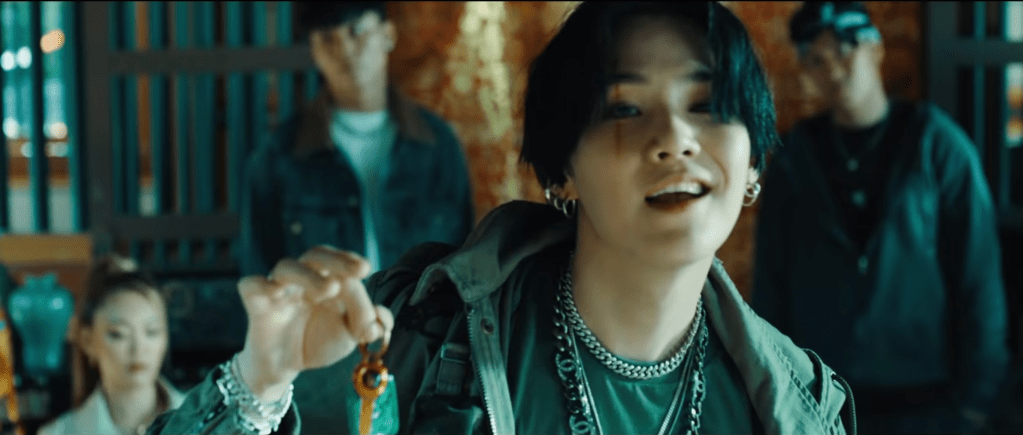
The only girl in the video gives the peasant-rebel a key to a car. She is Jung’s idea of an Anima or inspiratrix/muse and also represents the BTS fans known as ARMY. She supports and encourages him by giving him the key to his destiny and access to his personal development, i.e., the Individuation Process. A sign above has a quote from Confucius: “a classical scholar doesn’t value treasure,” reminding Agust D of the value of knowledge over riches as implied by the 4 of Pentacles. But his dream turns into a nightmare through the tyrant King: “The Shadow is born out of light” (fame’s shadow grows as the spotlight becomes brighter).
The Peasant is imprisoned and condemned to death by the murderous King: “Who’s the King who’s the Boss. Everyone knows my name.” This scene shows Agust D bound and blindfolded like the figure in the 8 of Swords.
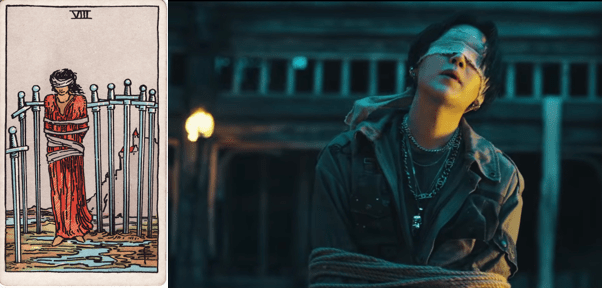
The tension between the idealistic Min Yoongi, who had to choose between eating or bus fare, and the famous Suga who flies the world in chartered plans and plays to multiple sold out nights in the world’s largest stadiums, is huge but comes at a cost, “my growing shadow swallows me and becomes a monster.” He fears he will forget who he really is. So Yoongi invents yet another Persona in addition to Suga: Agust D, to remind him of his true passion for music with roots in hip hop and rap.
The executioner (who was the butcher in the marketplace), a revolutionary co-conspirator, is an aspect of Yoongi’s growing consciousness which frees him from prison and death. Yoongi has talked frankly about his own issues with depression and social anxiety. In the lyrics he says he’s putting his past in a rice chest – a reference to a mad prince who was killed by his father by being confined in a rice chest until he starved to death. “I trap the past in a rice chest. I’ll take mine and eat them all.” So Agust D vows to consume his own past trauma and live.
At the moment of death the Executioner frees the Peasant/Fool who rises up against tyranny and shoots the King with an antique pistol known as a “Colt ARMY” (BTS’s fans are called ARMY).
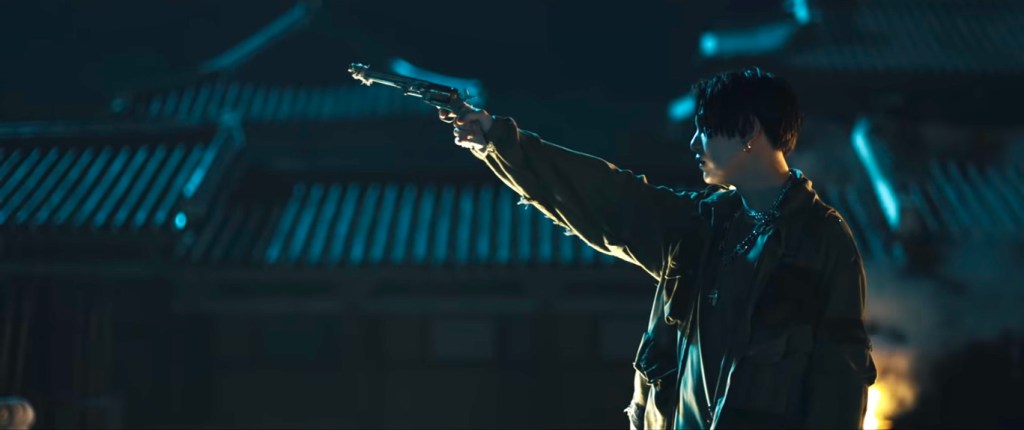
But it isn’t really that simple, for that other song, “Interlude: Shadow”, concludes with the voice of the Shadow,
“Yeah, I’m you and you’re me, do you get it now? We’re one body, and sometimes we will crash. You will never be able to take me off of you, you get it, right?…Success or failure, wherever you are, you can’t escape, wherever you go.”
At this point it is essential to remember that BTS stands for “Bulletproof Boy Scouts” (Bangtan Sonyeondan) and, as their early performances of “We Are Bulletproof” depict, they can’t be killed by mere bullets shot by haters.
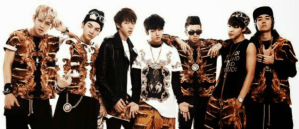
From a Jungian standpoint the Shadow is not to be killed off. It is an essential part of the Self. A key task of consciousness and the Ego is to bring the Persona and Shadow (the ideal and repressed selves) into relationship as is beautifully pictured in “Interlude: Shadow”.
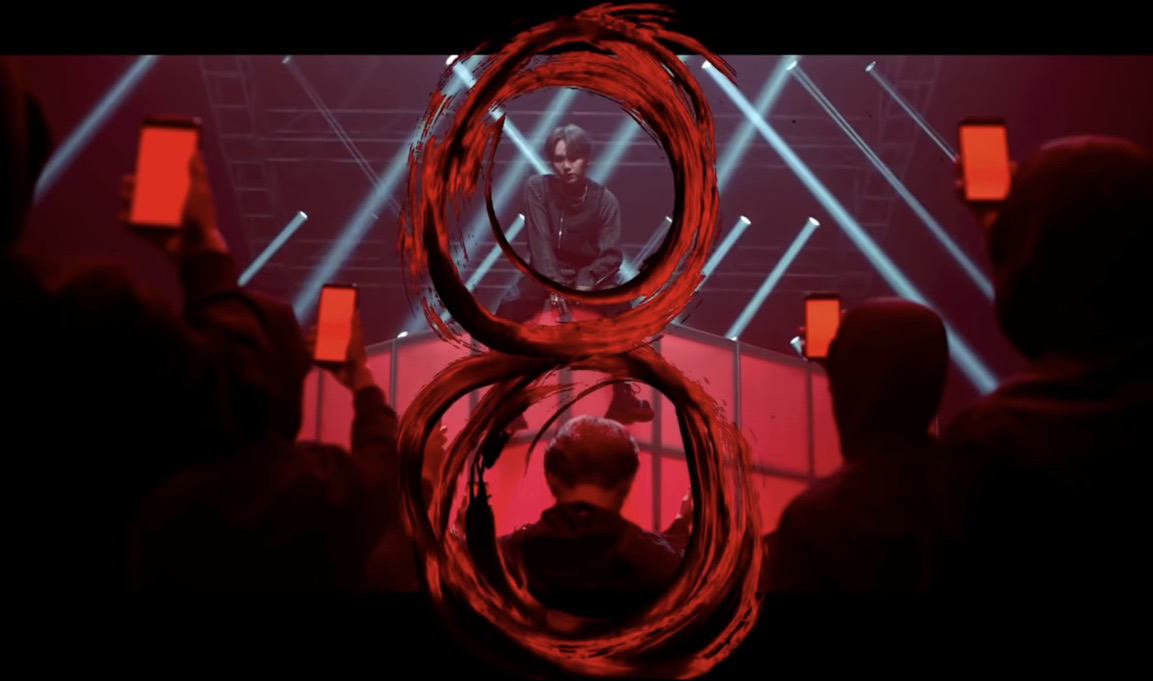
For now Min Yoongi has achieved success and has everything he previously desired, yet he still experiences the post-passion let down (Korean Hunyta or Shakespeare’s “little death”) in which one wonders “is that all there is?” before picking himself back up and doing what he does best—making music.

For those wanting to understand this Constellation, we see the death of the old King and crowning of the new King in the ever changing cycles of our lives—”The King is dead; long live the King!” We sometimes talk about earlier stages of life as our “past lives” acknowledging that they ran their course until graduation, a move, a marriage or divorce or pandemic ended one way of being and we stepped off a cliff into a new unknown. One of the lessons here is that it is not about being either the Fool or the Emperor but rather about keeping both in our lives: the crazy Fool leaping into the unknown and the responsible King restricting freedom with rules and boundaries in a constant cycle of lives and deaths.
Given the ‘Storming of the U.S. Capitol’ on January 6, 2021 – a day after I posted this – I can’t avoid the current political dimensions of this archetypal theme. Culturally speaking Trump is the mad King. We have so many candidates for the role of Fool, among which are the comedy talk-show hosts who regularly point out that Trump is wearing no clothes: that is his “Big Lie” (there is no widespread election fraud, among all the other lies). Washington D..C. erupts in violence and five die, marking the end of Trump’s tenure in office. Meanwhile 3,500 people are dying per day in the U.S. alone from COVID.
Here’s Suga in Times Square, optimistically counting down New Year’s 2020 shortly before the global pandemic hit, reminding us all that death is closer than we think. We currently rely on restrictions and laws to keep us safe while we stand on the cliff edge of a new, yet unknown, world.

Jean-Claude Flornoy’s book Seeing the World: Tarot Signposts on the Path to Perception (translated from the French by David Vine), features what Flornoy describes as “the cadillac of readings,” and I’m inclined to agree with him. Flornoy was a French artist and tarotist who died in 2011. He was the foremost recreator of the earliest French tarot decks beginning with the Jean Noblet deck (Paris, 1650). His book features a quirky, individualistic interpretation of Marseille-style decks that is worth reading if you want to shake yourself out of many of the Anglo assumptions about Tarot that most of us labor under. Personally I found the book exciting for this very reason. However, what thrilled me most was Flornoy’s introduction to a spread concept I hadn’t seen before that he learned from Parisian Jean Assens. With David Vine’s permission I’m presenting it here. It is very briefly described in the book, focusing only on the layout procedure, so I’ll include my own developing insights into its use.
The Assens-Flornoy Pyramid Spread
Using only the Major Arcana, ask your question, then shuffle and lay out all 22 cards, face down, in the 21-position pyramid layout (see below) beginning on the bottom left. The positions are the same as the Major Arcana laid out in numerical order, but you’ll be putting face down cards from your shuffled deck into each position, in order from 1 to 21 plus one card that lies outside the pyramid.
21
19..20
………………..16..17..18……….222/0
12..13..14..15
7….8….9…10…11
1….2….3….4….5….6
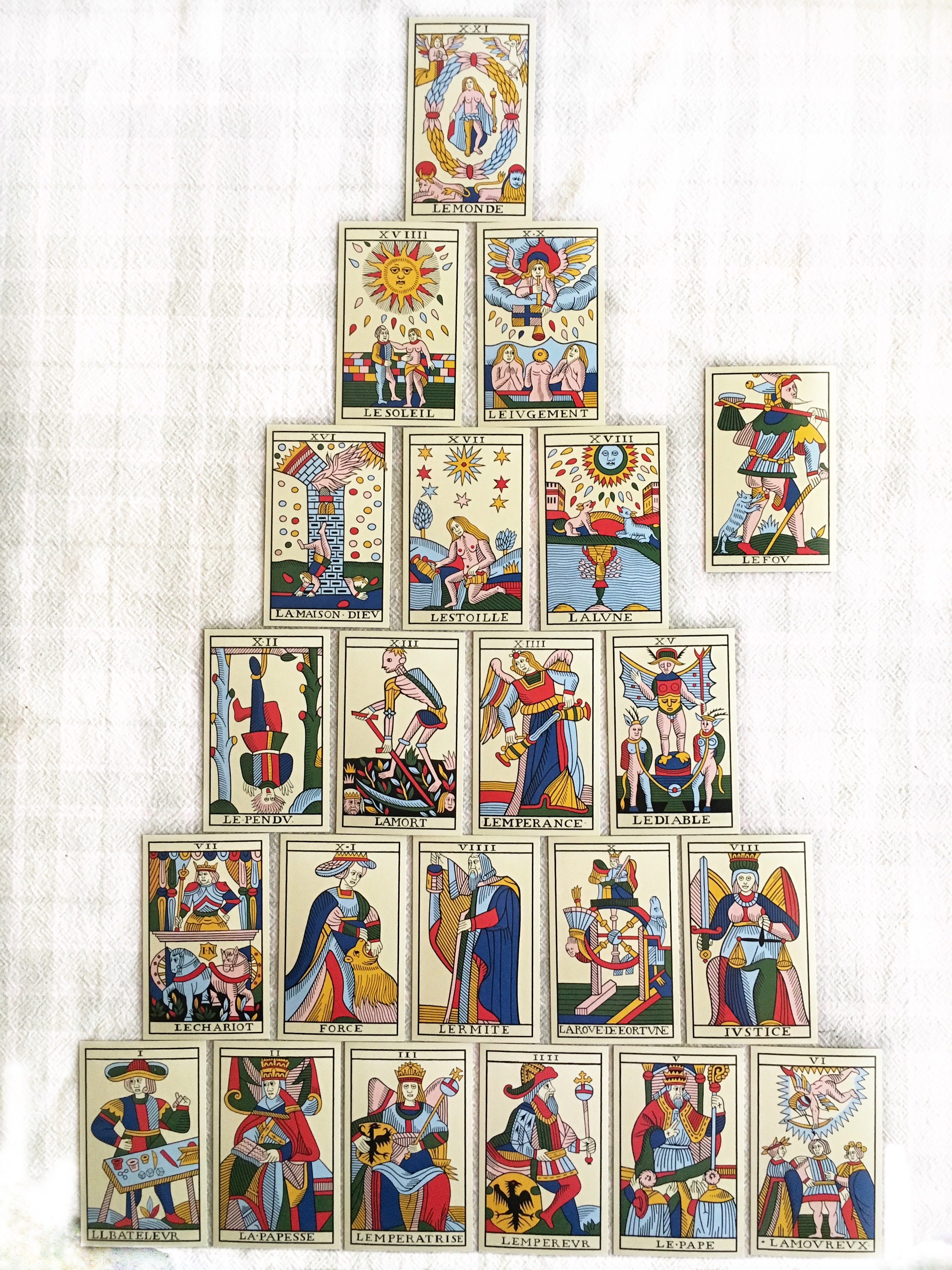
Jean Noblet Tarot recreated by Jean-Claude Flornoy
The final, 22nd, card goes on the right; Flornoy called it the “Outside Card.” You start by interpreting this Outside Card in relation to the question. The next card to be turned over should be the card in the pyramid layout that corresponds to the number of the Outside Card. For instance, if you get 9-Hermit as the Outside Card, then the next card you turn face up will be the card in the 9th position. If that card is 6-Lovers, first you interpret it, and then you turn up the card in the 6th position, and so on, interpreting each card as you go. I call this chaining.* Continue until you turn up The Fool. As The Fool has no number, the reading stops here. Flornoy says that if you need more information you can pull supplemental cards from a second deck (but he doesn’t explain what you do with these). You may reveal, in total, as few as two or three cards or almost the entire Major Arcana! Unrevealed cards are either in their own position or form their own group of mutually linked cards. You don’t look at or read the unrevealed cards at all.
I’ve been obsessively using this spread and have developed a few additions of my own.
Rather than pulling supplemental cards for more information, as Flornoy suggests, I prefer taking the archetypal card’s position into consideration. This is similar to reading an astrological planet in its “house” in a chart. To ascribe uniqueness to each item in the pair I think of the preceding card as asking a question of the card that lands in its position. This will become obvious in the example.
Here’s a reading I did, laid out on top of the Noblet Tarot, which is my own addition to this spread technique. (You don’t need to use a second deck beneath.)
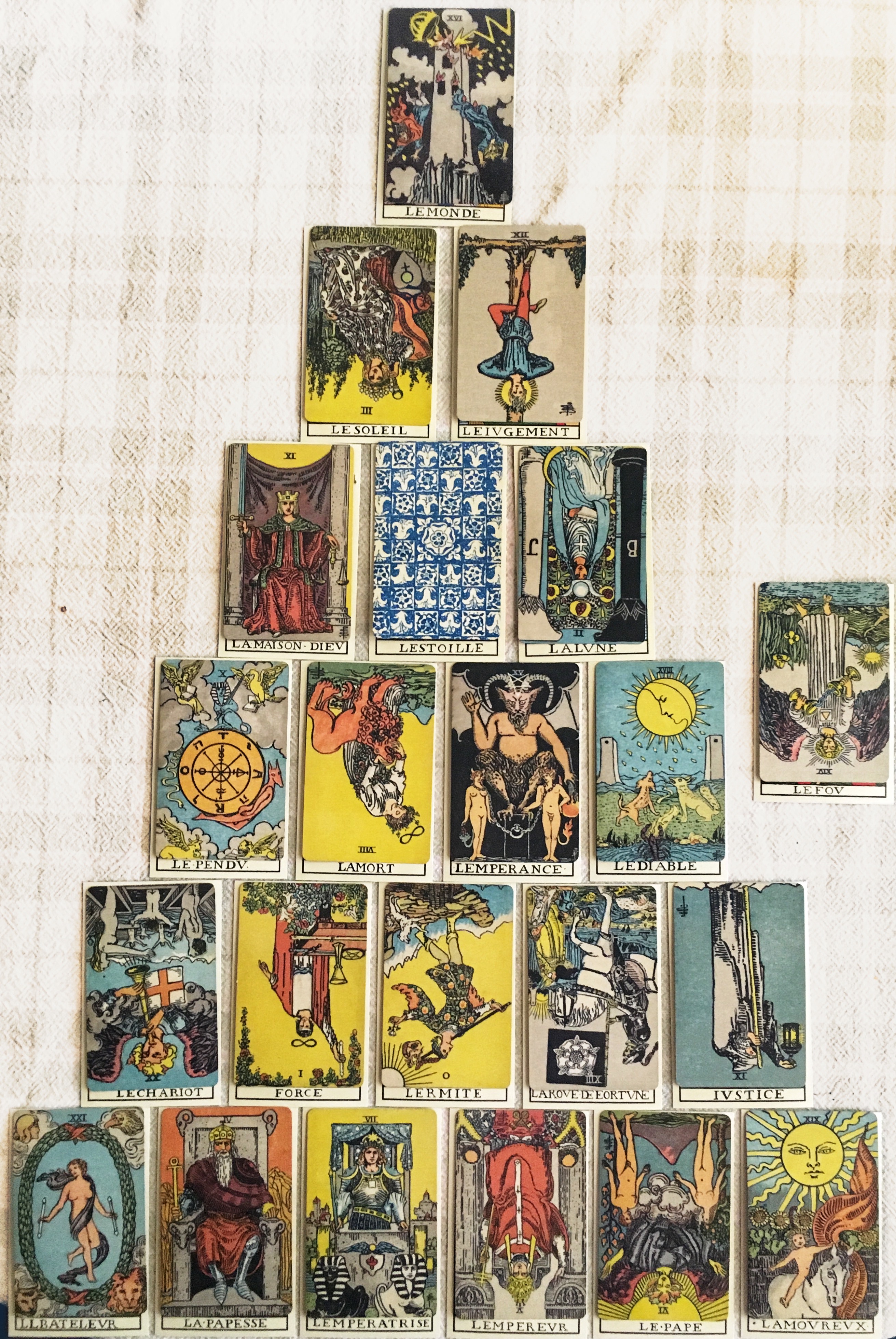
Pam’s Tarot dealt atop the Jean Noblet Tarot
As I was listening to a news program about Donald Trump’s potential legal problems (regarding Manafort and Michael Cohen) I decided to ask what the cards thought of Trump. With 14-Temperance Reversed as the final “Outside Card” I felt Trump was out-of-balance; his temperament or “humors” were askew and that the spread would especially address his temperament problems. Next, I turned over the card in the 14th position and found 15-Devil. I asked the question “What is creating this imbalance?” The Devil seemed to speak of obsession, enslavement, blame and guilt, plus a focus on “upmost materiality” (the latter is the Golden Dawn meaning). Based on my reaction to 15-Devil, I then asked of the next card, “Where does this negativity come from?” and turned up the card in the 15th position, 18-Moon. This card seemed to suggest that Trump is deceiving himself as well as others, arising from deep-seated unconscious instinctual behavior. Turning to the 18th position I asked, “Of what is Trump unconscious?” and got 2-High Priestess Reversed, which said to me that he lacks empathic sensitivity and can’t hear the inner voice of Wisdom (he’s out of touch with what we might call the Feminine).
To reiterate: my addition to this spread technique is to view the preceding card as asking a question of the card that lands in the numerical position (of that preceding card). Think of these two cards as a pair: the earlier card asks a question that the subsequent card responds to. You may want to examine the cards by placing them in pairs. Based on your interpretation of the first card, your intuition suggests a question that it asks of the subsequent card in the chain. For instance:
After considering the meaning of the Outside Card (14-Temperance Reversed), turn one of its meanings into an open-ended question like “What needs to be balanced?” or “Where is there imbalance?” or, in an issue regarding creativity, “What is blocking the creative flow?” The next card in the chain provides a response. Sometimes the second card makes you aware that the question wasn’t phrased quite right. That’s okay, just adjust your question.
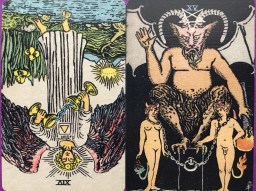
15-Devil now poses a question of the card in the 15th position, 18-Moon:
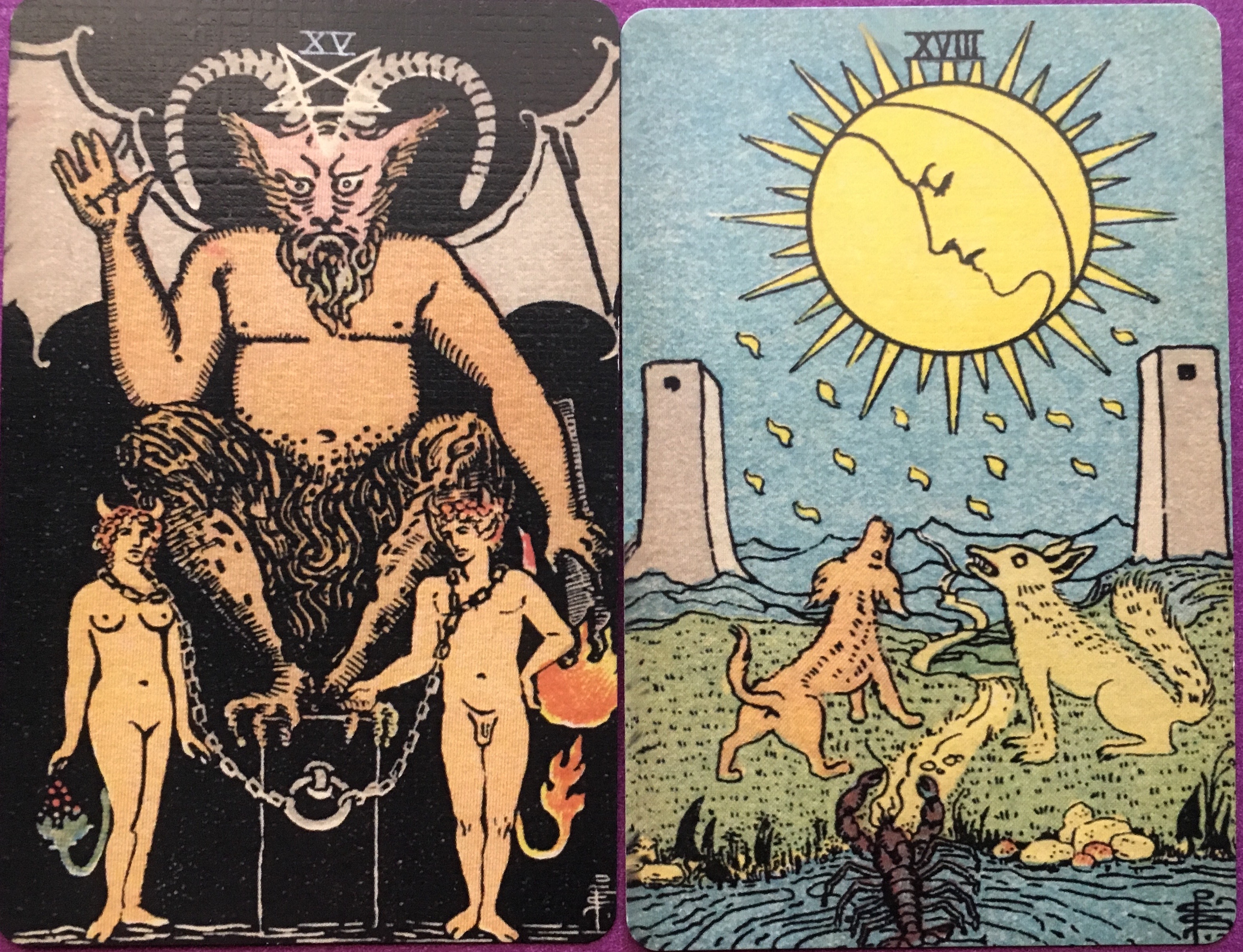
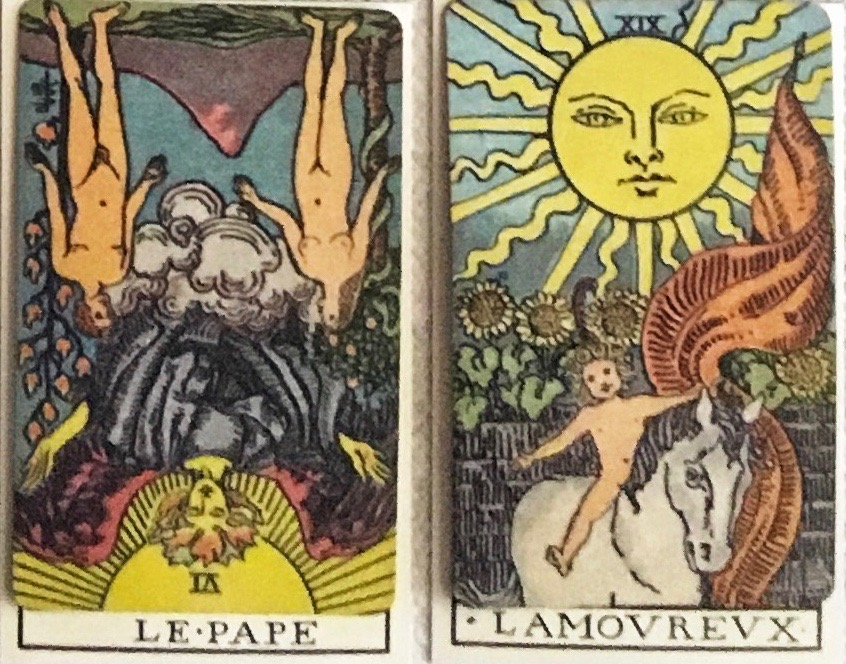
If you wish you can go through the rest of the cards for yourself. I admit I was at first stumped by 19-Sun in the position of 6-Lovers (the Lovers card was reversed and in the position of 5-Hierophant = one’s morals). Upon considering the question, “How is he deceiving others?” I figured The Sun might point to his relationship with his Base (Lovers) who feel he can do no wrong. However, The Sun, featuring a child with a feather in his hair, brought to mind the image of the “Baby Trump” balloon flown in the air during Trump’s trip to the U.K., and I couldn’t help chuckling.
This spread was the first time I turned up more than a half dozen or so cards before reaching The Fool, where I stopped. The only card not revealed turned out to be 17-Star, in its own 17th position. Technically these cards are not to be read, but with The Fool in the 9th-Hermit position and 17-Star unrevealed, it seemed to reiterate the lack of personal insight and integrity in Trump’s psyche that had previously been shown.
I want to note that I was very aware of projecting my own feelings onto the cards as I read them, so the above interpretation in no way represents an objective analysis of Trump, but rather my own perception of him. It was startlingly clear to see my opinions take precedence over any other interpretation of the cards. When reading for myself, I find it is an opportunity to become conscious of my own semi- and un-conscious perceptions of a matter. It is through the Tarot that I’ve learned to see through to many of my own biases and assumptions. But, that’s another discussion.
I believe you can also summarize the spread by reading the cards that were revealed in the order they were laid out – that is, positions 1 to 21 sequentially and by rows—especially since some of your spreads will reveal an entire row or two while leaving most of the other cards unrevealed. The centrality of positions 9, 17 and 21 seem to stand out and may be especially significant, perhaps as “Destiny” or “Wisdom” positions?
This is one way to use all those luscious Major Arcana-only decks. Reversals are optional. Let me know what you think of this spread and any insights you have as to how to interpret it.
.
*”Chaining” is a technique used with the 36-card Lenormand Grand Tableau. Toward the end of a Grand Tableau reading you can chain or link cards in a similar manner, starting with the querent’s significator. You determine its position number, find the card having that number, then from its position find the next card, and so on, stopping when you circle back to a card you’ve already read. This chain of cards serves as a kind of confirmation or summary of the whole reading. With The Pyramid Spread it is the entire reading.
Linda Marson, author of the groundbreaking Ticket, Passport and Tarot Cards brings us her new multi-media package for personal guidance and insight using TarotNav: A GPS for Life.
 TarotNav arrives in the form of a flash drive/memory stick or you can direct download the files to your computer or device. Through videos, personal stories, and text, Linda offers an excitingly innovative learning experience that will help you gain deep meaning from life experiences and get direction for future endeavors.
Imagine a world in which everything has a meaning, your adventures serve a deeper purpose and Spirit speaks directly to you through a set of picture cards. Each day becomes its own adventure. Discover what way to go when your path forks. Know that detours present challenges to strengthen resolve and reveal things you might have missed along the way. Examine your baggage to see what can be discarded. Find your destiny in your goals.
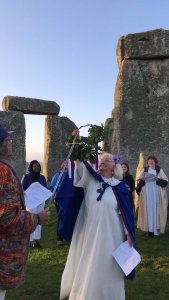
Linda speaks from her own vast experience. She has been making travel films and leading spiritual journeys around the globe for nearly 20 years. If anyone is said to “follow their intuition” it is Linda. As former President of the Australian Tarot Guild she focused on making connections among teachers, students and professional readers nationally and internationally. More recently she has brought all her interests together through activities featured at her Global Spiritual Studies website. You’ll find courses taught by the best teachers in their fields, and tours to sacred sites that will transform your life.
TarotNav literally shows how to use tarot as a guidance system. The multi-media package contains a set of 22 short videos with example readings based on real journeys, an e-book of card meanings, a sheet for recording your readings, and an extra video on the Celtic Cross Spread. The card meanings focus on life as a journey from new beginnings to goal completions and letting go. Reversed cards show where there may be resistance and where issues haven’t been fully resolved.
I highly recommend this program as a way to learn how Tarot can be a guide on your personal journey and a key to turn your daily life into a spiritual adventure. Get information here, where you’ll find sample videos and a look at the whole package.
The Crowley-Harris Thoth card was renamed The Universe giving us both an ancient and very modern scientific perspective on the card formerly called The World that focused on Earth as the center of the Universe. The Hermetic Order of the Golden Dawn emphasized this fact by its correspondence with the planet Saturn, related on the Tree of Life to Binah, the Great Mother. Saturn, being the furtherest planet that can be seen with the naked eye, was called “the ring-pass-not” and represented the furtherest reaches of what is known and the outer barrier of human existence.
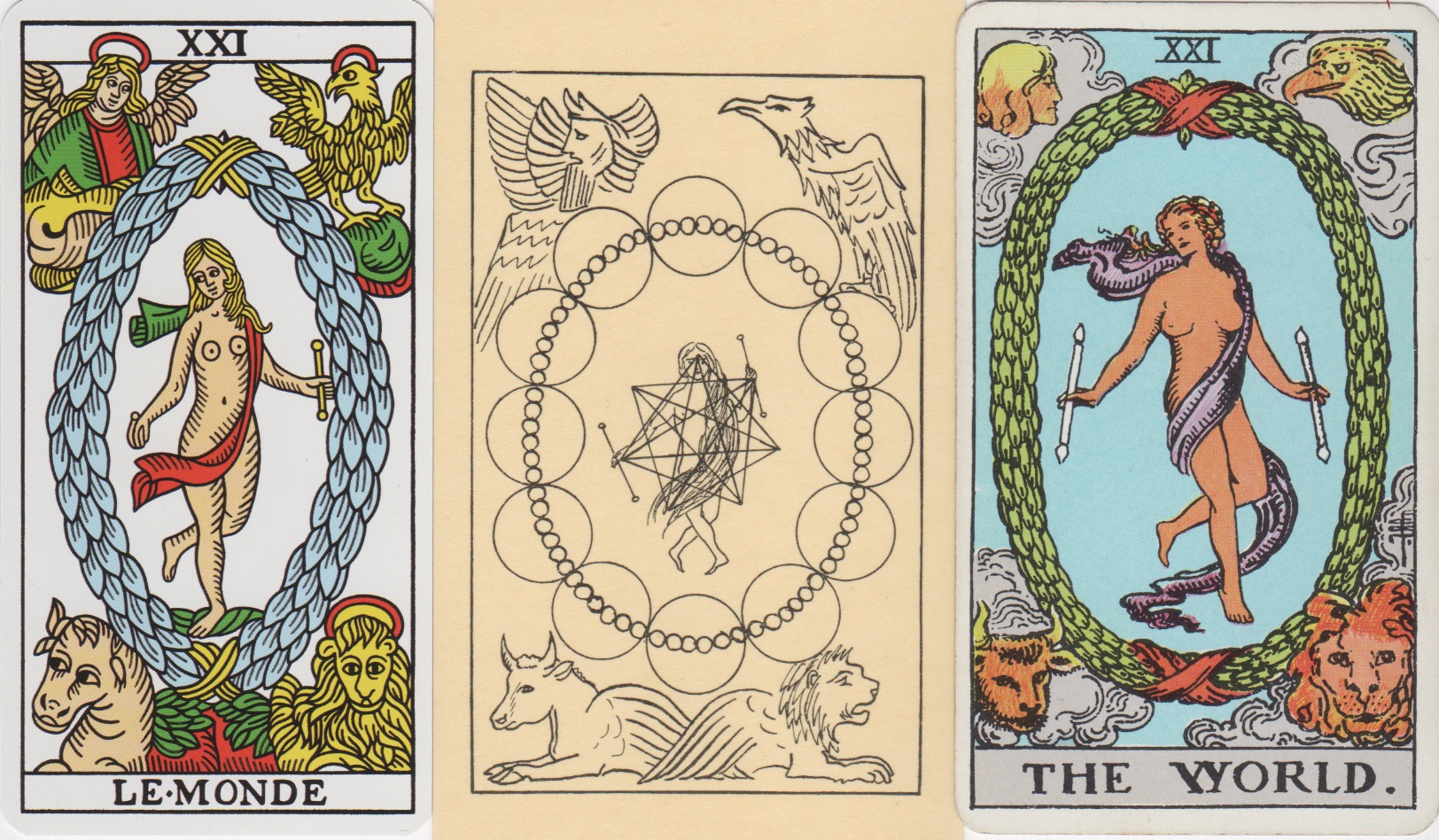 The standard image of the wreath in most cards is said, among other things, to represent the plane of the ecliptic forming the constellations through which the planets travel and also the wheel of the year. The figure at the center seems to dance within the limitations of material existence. She can also be seen as giving birth to herself out of a cosmic vesica pisces shaped womb.
This figure is most often identified as some amalgam of Isis/Hathor, Sophia, Shekinah, Aimah Elohim (the plural feminine name of g-d), Gaia, and the Anima Mundi, or Soul of the World, who unites all opposites. Waite equated the image with what the alchemist, Thomas Vaughn described in Mysterium Magnum, as “Nature personified and redeemed.” (quoted by Waite in his book on Vaughn).
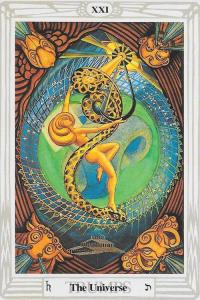
This theme of Nature appears in the Thoth deck at the bottom of the card via an early 20th century periodic table of the elements according to their atomic weight (identified by Lon Milo DuQuette; see Marcus Katz’s forthcoming Secrets of the Thoth Deck for details of this and other symbols).
However I believe the Thoth Universe card illustrates the creation of the universe that resulted in those raw elements depicted at the base. Crowley makes no mention of what I’m about to say. So this may be taken as one of the astounding examples of Carl Jung’s theory of the archetypes of the collective unconscious.
Robert Graves’s The Greek Myths (available cheaply used) opens with “The Pelasgian Creation Myth,” the most archaic of that peninsula’s creation myths, featuring Eurynome (whose name means “wide wandering”) whom Graves relates to the Sumerian goddess Iahu (“exalted dove”). Although Graves published The Greek Myths in 1955, it is likely that Crowley was familiar with the same sources used by Graves. I’ve truncated the story because of copyright. I highly recommend you read it in its whole.
In the beginning, Eurynome, the Goddess of All Things, rose naked from Chaos, but found nothing substantial for her feet to rest upon, and therefore divided the seas from the sky, dancing lonely upon its waves. She danced towards the south, and the wind set in motion behind her seemed something new and apart with which to begin the work of creation. Wheeling about, she caught hold of this north wind, rubbed it between her hands, and behold! the great serpent Ophion. . . .
Ophion, grown lustful, coiled about those divine limbs and was moved to couple with her. Now, the North Wind . . . fertilizes. . . . So Eurynome was likewise got with child. [She then laid the Universal Egg.] Ophion coiled seven times about this egg, until it hatched and split in two. Out tumbled all things that exist. . . .
[Ophion] vexed her by claiming to be the author of the Universe. Forthwith she bruised his head with her heel, kicked out his teeth, and banished him to the dark caves below the earth.
Eurynome then created the planets, setting a Titan and Titaness over each: Rhea and Cronos for the planet Saturn. Cronos (Time) went on to murder his father Uranus/Ophion with a sickle given him by his mother Gaia/Eurynome.
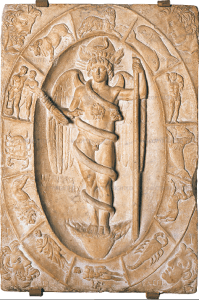
And so we have a story that includes the dancing maiden, the serpent, all creation (the stars and celestial bodies detailed in Graves’s tale plus the table of elements), the four winds, stepping on the head of the serpent and the sickle. The egg with a serpent coiled around it, from the myth, appears in The Hermit and can be related to Phanes, another figure of early Greek myth who could be at the center of the Universe card.
Phanes
All that’s missing in the Pelasgian Creation Myth, but found in the card, is the radiant eye and the “twisted torus” shape in the background. If it is some kind of torus, then it is worth considering that some physicists propose the shape of the universe that immediately followed the Big Bang as a torus, while others see the universe as still being that shape today.
This spring I am again involved in Magical Tarot tours of the British Isles. But I want to speak here about communing with the land, which we will focus on even more on this year’s journeys to “Sacred Scotland” and “Merlin’s Britain.” These are things you can do in your own community as well as sacred sites—a city park can be as good as a meadow or forest. Even buildings have their energies and stories. Your intention may be to gain knowledge about nature, the land or the place: past, present or future. Or you may be on a quest for personal insight. I’ll mention just a few of my favorite methods that can be used separately or together.
FINDING A POWER SPOT
Go to your place of engagement.

With or without shoes, move slowly, with your intention in mind, using your breath to enter a meditative state of open awareness.
Open all your senses and try to determine a flow or confluence of energies. This energy focus may be found in trees and plants or landmarks or even sounds or air flow. Some people use kinesiology, a pendulum or dowsing rods to assist them.
One time I was walking by a forest stream with many little waterfalls and found myself going back and forth until I came to the exact spot where all the ambient sounds seemed to join together equally in perfect balance and harmony. O Ecstasy of the spirit!
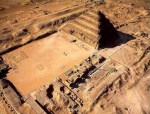
A second example was following a nighttime ritual inside the Egyptian Step Pyramid at Saqqara. Standing in the outer temple complex I walked around until I found myself triangulating a position at the juncture of the energies of the pyramid and two other structures. Once I found it, I looked up and the full moon was, just at that moment, cresting the top of the pyramid, resting on its point. When this kind of magic happens I quietly express my gratitude and try to enter into oneness with the place.
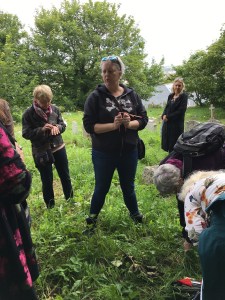
Dowsing for Pamela Colman Smith’s grave in Cornwall
YOUR TAROT GUIDE
Take the Major Arcana from your favorite Tarot deck to a place that intrigues you. You’ll probably want an intention in mind. For instance, you may ask to be guided to a power spot or to receive information about the place or its history, or to get insight regarding a personal concern. Get comfortable. Select a Major Arcana card as your guide either randomly or by conscious choice. If in doubt, select the Hermit.
Gaze at your card until you can recreate it in your mind’s eye while speaking your intention. Close your eyes and breathe in the place while asking your guide to come to you. What appears in your mind’s eye may or may not look like a figure on the card. If it doesn’t, then ask if it is your Tarot guide or sent by your guide. Once a figure is affirmed, ask for guidance regarding this place or the knowledge you seek. Be sure to thank and release this guide and return fully from the parallel astral world in which you met.
NATURE AS ORACLE
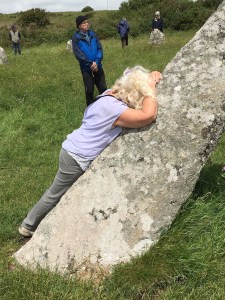
Communing with the central Boscowen-un Stone
Select a special rock, piece of plant or wood, or other object (I’ve done this with trash found on my walks!). If possible, hold or touch this “other” and speak aloud. Describe it as thoroughly and objectively as you can—no metaphors or symbols—but rather colors, shape, texture, smell, even taste—all the concrete and subtle details. Next, describe its energy affect and attitude. Is it distant or welcoming? Open and yielding or harsh and inflexible? Whimsical or practical? Or some combination of things? Ask if you can enter into it (the “it” is now a “thou”) and, if you receive an affirmation, then become this other being, stretching or compressing yourself into all it’s nooks and crannies. Let your human self ask this nature-being your question and let it speak what it has to convey. Express your gratitude and remain a few moments in that place of emptiness that follows purpose, for the greatest gifts often reside there.
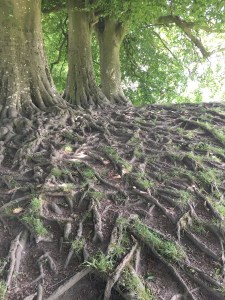
Diving deep into the roots of Avebury
Check out this video by Martin Shaw. Although a promo for his new book it is really an inspiration for walking the hills with consciousness. https://youtu.be/d0T7UP1U1Ts. Thank you, Carrie Paris.
I invite you to join me, Linda Marson of GlobalSpiritualStudies and Jamie George of Glastonbury’s Gothic Image Books and Tours on our special journeys this coming May. Register now to get special rates, information and view fabulous videos in the links below.
Tarot Magic in Sacred Scotland – 14 May to 23 May, 2018
Tarot Magic in Merlin’s Britain – 23 May to 1 June, 2018
London Workshops with Mary Greer and Linda Marson – 12 & 13 May, 2018
Linda Marson’s Tarot Nav: GPS for Life, courses
Interview with tour leader extraordinaire, Jamie George

Wizards Tarot by Corinne Kenner and John Blumen (Llewellyn)
I’m a firm believer in learning by doing, and getting to know the components of your deck is no exception. This can also be a great daily spread for anyone.
1. Divide your deck into four stacks:
• The 4 Aces
• The 16 Court Cards
• The 36 Minor Arcana Cards numbered 2-10
• The 22 Major Arcana
2. Shuffle the Aces stack thoroughly while asking, “What do I most need to be aware of today?” Draw one card. if a card is reversed, turn it upright for all steps. The Ace indicates an area of focus, general atmosphere or the overall energy at play. (Note: if your suit characteristics differ from those below, then use whatever works.)
• Wands signifies innovative or intuitive energy. It indicates desires, enthusiasm, activity, initiating projects, enterprise. It can also indicate a rushed, angry or volatile situation.
• Cups signifies emotional energy. It indicates love, relationships, nurturing, imagination and fantasy. It can also point to nostalgia, grief, sadness and lethargy.
• Swords signifies mental energy. It indicates beliefs, choices and decisions, research, planning and intellectual endeavors. It can also be about disputes, struggles, and issues around honesty or dishonesty.
• Pentacles (or Coins) signifies physical, sensate energy. It indicates work, skills, money, body, security, results and the care or valuing of physical resources. It can also indicate being stuck, inflexible, stubborn or stressed and worried.
Try to feel this energy inside and around you. Is it fiery, fluid, airy or earthy? Where and how is this energy manifesting in your life right now? Later you’ll want to consider how the other cards you’ve drawn function in this kind of atmosphere.
3. Shuffle the 16 Court Cards while asking, “What do I most need to be aware of today?” Draw one card. This is the part of yourself that is most active and of which you need to be most aware. How are you Kingly, Queenly, Knightly or like a Page? It can show your level of knowledge, experience and command (King and Queen) in this area or how open you are to learning (Page) or able to take action (Knight).
Describe this card in as much detail as you can, including the physical image on the card and the characteristics of the figure: its attitude, mood and emotions, and what it wants or needs. How and where are you acting like this figure? Occasionally this card can express someone else in your life. How do you expect them to handle or influence the situation rather than you? Are you giving your own power away and, if so, how can you own it? Or is it as it should be?
4. Shuffle the 36 Minor Arcana number cards (2-10 in each suit) while asking, “What do I most need to be aware of today?” Draw one card. This is the situation that the part of yourself (Court Card above) is concerned with today.
If a scene is depicted on this card, then describe the scene. What situation has similar characteristics? If there are only suit markers on your deck, look up the meaning and consider how it applies.* What does the Court Card figure bring to this situation? What does it tell you about your relationship to these circumstances?
5. Shuffle the 22 Major Arcana cards while asking, “What do I most need to be aware of today?” Draw one card. This shows why you need to be aware.
The Major Arcana card may represent a goal or desired outcome, a lesson to be learned, something to be mastered—how you can ‘triumph’ in the situation—or what is at risk or to be gained.
What is the first thing that strikes you as you look at this card? Describe the picture in as much detail as possible. How does this card ‘trump’ the situation? Look up the standard keywords and meanings in a book. Explore the individual symbols in a symbol dictionary. Try all of the above possibilities until something clicks.
6. Overview and integration: You’ve drawn three cards out of the Wands, Cups, Swords and Pentacles (or Coins) suits. Which suits did you get? Does one suit dominate? Do the suit energies harmonize or do they seem to conflict? Are the energies more active and impatient (Wands and Swords)? Or, receptive and patient (Cups and Pentacles)? Is just one suit missing? If so, which one? Is that okay, or is something important missing in the situation? (Usually you don’t need to be as aware of a missing suit as much as you need to be aware of the suits that turned up!)
7. As a daily spread: Write down the cards you’ve drawn and your insights. Do this daily for at least two weeks, then look back over your spreads and write down what you’ve learned. Continue if you so desire. Over time, note especially what cards and suits appear most often and which never appear at all. Does a situation continue to develop in subsequent spreads? How? How do you respond to changing circumstances by bringing forth different parts of yourself ?
If you’d like, please give a sample interpretation, in the comments section, of the cards shown above.
*Note: Yes, looking up card meanings is perfectly fine, whether you are a beginner or experienced reader. You are learning to expand your repertoire of meanings. But don’t forget to really look at a card and say what it seems like to you.
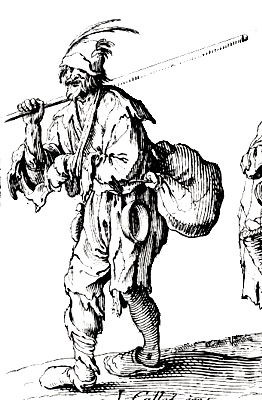 Jester, pilgrim, mendicant or child?
Will the real Fool please step up?
Does the Tarot Fool bring up the rear in a long parade of triumphal figures, a warning about what will happen if one fails on the spiritual path? Or does he appear at the beginning, full of trust and hope, setting out on a new adventure?
Is the dog his faithful companion or a wild beast that threatens to tear him apart or ludicrously expose his privates?
What dangers does the Fool face?
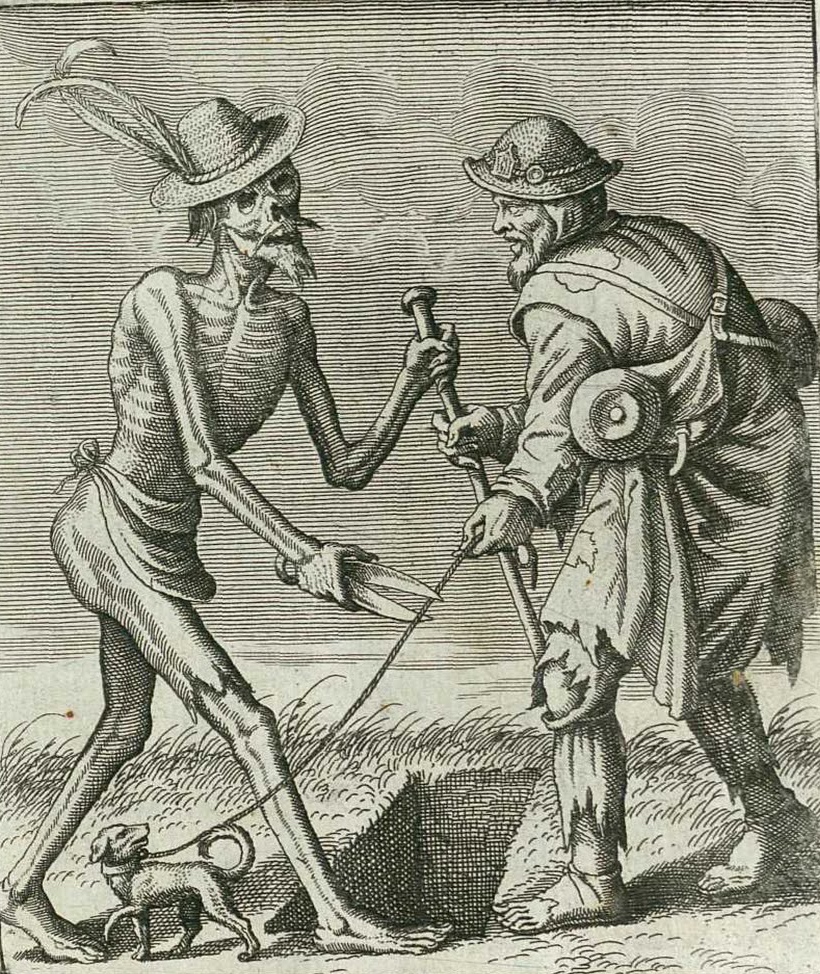
When the Fool turns up do you feel excited and ready to venture forth? Or do you fear your decisions are stupid and that others will think you ridiculous?
At the end of the 19th century, the Hermetic Order of the Golden Dawn turned the Tarot on its head, depicting the Fool as a small child and putting it at the head of the Hebrew alphabet. The Waite-Smith card, published in 1909, pictured an image that came to epitomize the 1960s San Francisco flower child. How did this happen?
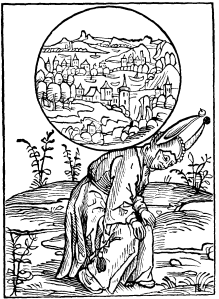
Does the Fool carry the World on his shoulders (or, perhaps, in his knapsack)? There are hints that it is so. The Fool can indicate absolute trust in Spirit or the ravings of a madman or idiot. Learn to cultivate divine nonchalance. Discover what’s needed to take a leap of faith. Explore hidden meanings in the symbols on the RWS Fool.
Over the next couple of years, I plan on teaching what I’ve learned about each of the Major Arcana in a series of webinars, randomly ordered and spaced. I’ve already taught The High Priestess (and will be presenting it again), and I’ve written in depth about the Lovers (see Tarot in Culture, vol. 2). I will be presenting The Fool, live on May 16th, for three hours to a limited number of participants (a recording will not be available). Information available at Thelesis Aura or on Facebook.
 Mary K. Greer has made tarot her life work. Check here for reports of goings-on in the world of tarot and cartomancy, articles on the history and practice of tarot, and materials on other cartomancy decks. Sorry, I no longer write reviews. Contact me
 Mary K. Greer's Tarot Blog
Recent Comments